

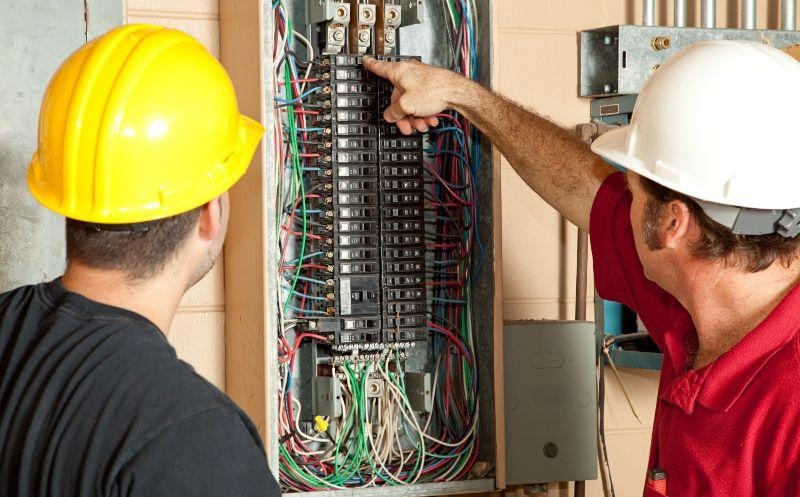
Electrical problems are not always immediately obvious. A socket may stop working, lights may flicker or a circuit breaker may repeatedly trip without making the underlying cause clear. These symptoms can be frustrating, particularly when the electrical system appears to be working normally in other parts of the property.
Electrical fault finding and rewiring are two different types of work, but they can sometimes be connected. Fault finding focuses on identifying the source of an existing problem, while rewiring involves replacing or upgrading electrical wiring where the existing installation is no longer suitable.
Understanding the difference can help property owners make better decisions when electrical problems arise.
Recognising Signs of an Electrical Fault
Electrical faults can affect individual appliances, circuits or larger parts of an installation. The symptoms may vary depending on the underlying problem.
Common Warning Signs
Homeowners should pay attention to:
- Flickering or dimming lights
- Repeatedly tripping circuit breakers
- Buzzing or crackling sounds
- Burning smells
- Warm sockets or switches
- Damaged cables
- Intermittent power loss
A single symptom does not necessarily identify the cause. For example, a tripping breaker could be related to an appliance, wiring or another component within the circuit.
How Electrical Fault Finding Works
Electrical Fault Finding involves investigating an electrical problem to establish what is causing it. The process should focus on identifying the underlying fault rather than simply restoring power and assuming the problem has disappeared.
A qualified professional may begin by discussing the symptoms and circumstances surrounding the fault before carrying out appropriate visual checks and electrical testing.
A Typical Diagnostic Process
Depending on the problem, the investigation may involve:
- Identifying the affected circuit or equipment
- Inspecting accessible components
- Carrying out relevant electrical tests
- Checking protective devices
- Tracing the source of the fault
- Recommending an appropriate repair
The exact approach depends on the nature of the electrical problem and the property’s existing installation.
Why Fault Finding Matters
Simply resetting a breaker or replacing a component may not resolve the underlying issue. If the original cause remains, the problem could return.
Proper diagnosis can also prevent unnecessary replacement of electrical components. A fault may be caused by a connection, cable, appliance or protective device, and these possibilities need to be considered rather than assuming the most obvious component is responsible.
Early investigation can therefore help prevent a relatively small electrical problem from developing into a more significant one.
Understanding House Rewiring
House Rewiring involves replacing some or all of the electrical wiring within a property. It can become relevant when an existing installation is old, deteriorated, damaged or no longer suitable for the property’s electrical requirements.
Rewiring is a much larger project than repairing an individual electrical fault. It may involve significant work throughout the property, depending on the condition and design of the existing installation.
Why a Property May Need Rewiring
Possible reasons can include:
- Ageing electrical wiring
- Damaged or deteriorated cables
- Insufficient circuits
- Previous unsuitable alterations
- Changes to electrical requirements
- Evidence of wider installation problems
The age of a property alone does not automatically mean it needs a complete rewire. The condition and characteristics of the electrical installation should be assessed.
Warning Signs That May Indicate Older Wiring
Older electrical installations can have characteristics that are no longer appropriate for modern household demands.
Homeowners may notice recurring electrical faults, outdated components, insufficient sockets or signs of deterioration.
What to Look For
Potential warning signs include:
- Frequent electrical faults
- Old or damaged accessories
- Discoloured sockets
- Repeated circuit problems
- Outdated wiring components
- Lack of suitable electrical capacity
These signs do not prove that a full rewire is necessary. A professional assessment is needed to establish the condition of the installation.
Fault Finding or Rewiring?
The appropriate solution depends on what the investigation discovers.
A localised problem affecting one circuit may require a repair rather than extensive rewiring. However, if testing identifies widespread deterioration or an unsuitable installation, a larger electrical upgrade may be considered.
Think About the Scope of the Problem
A useful distinction is:
- One isolated fault: investigate and repair the affected area.
- Repeated problems: assess the wider circuit or installation.
- Widespread deterioration: consider whether rewiring is appropriate.
- Major renovation: review the complete electrical layout.
This approach avoids assuming that every electrical fault requires a complete rewire.
Planning a Rewiring Project
Rewiring requires more planning than replacing an individual socket or light fitting. The electrical requirements of the property should be considered before work begins.
Think about how each room is currently used and whether its requirements are likely to change.
Consider Future Electrical Demand
Modern properties can contain significantly more electrical equipment than older installations were originally designed to accommodate.
A rewiring project may therefore provide an opportunity to review:
- Socket locations
- Lighting points
- Circuit arrangements
- Fixed appliances
- Outdoor electrical requirements
- Future electrical equipment
Planning these elements in advance can reduce the need for disruptive changes later.
Minimising Disruption
Rewiring can involve work behind walls, floors and ceilings, depending on the construction of the property and the installation method.
For this reason, homeowners should understand the likely scope before work starts.
Where possible, electrical work can be coordinated with other renovation activities. For example, rewiring may be easier to undertake before new flooring, plastering or decorative finishes are completed.
Choosing the Right Electrical Professional
Electrical fault diagnosis and rewiring both require appropriate technical knowledge. Choosing a professional should involve more than comparing the cheapest quotation.
Consider the electrician’s experience, qualifications, testing procedures and ability to explain the proposed work.
For larger rewiring projects, ask what areas are included, how the work will be approached and what documentation will be provided after completion.
Keeping an Electrical Installation Safe
Once repairs or rewiring have been completed, ongoing attention remains important. Homeowners should not ignore new warning signs simply because the electrical system has recently been repaired.
Watch for unusual smells, overheating, damaged accessories, flickering lights and recurring circuit trips.
Prompt investigation can help identify developing issues before they become more serious.
Conclusion
Electrical fault finding and house rewiring address different problems, although they can sometimes form part of the same wider electrical project. Fault finding focuses on identifying the source of an existing problem, while rewiring involves replacing or upgrading wiring when an installation is no longer suitable. Repeated circuit trips, damaged components, overheating and persistent electrical faults should be investigated rather than ignored. A professional assessment can help determine whether a local repair is sufficient or whether wider work may be necessary. By choosing an appropriately qualified professional and planning electrical work around the property’s current and future requirements, homeowners can create a safer and more practical electrical installation.
