

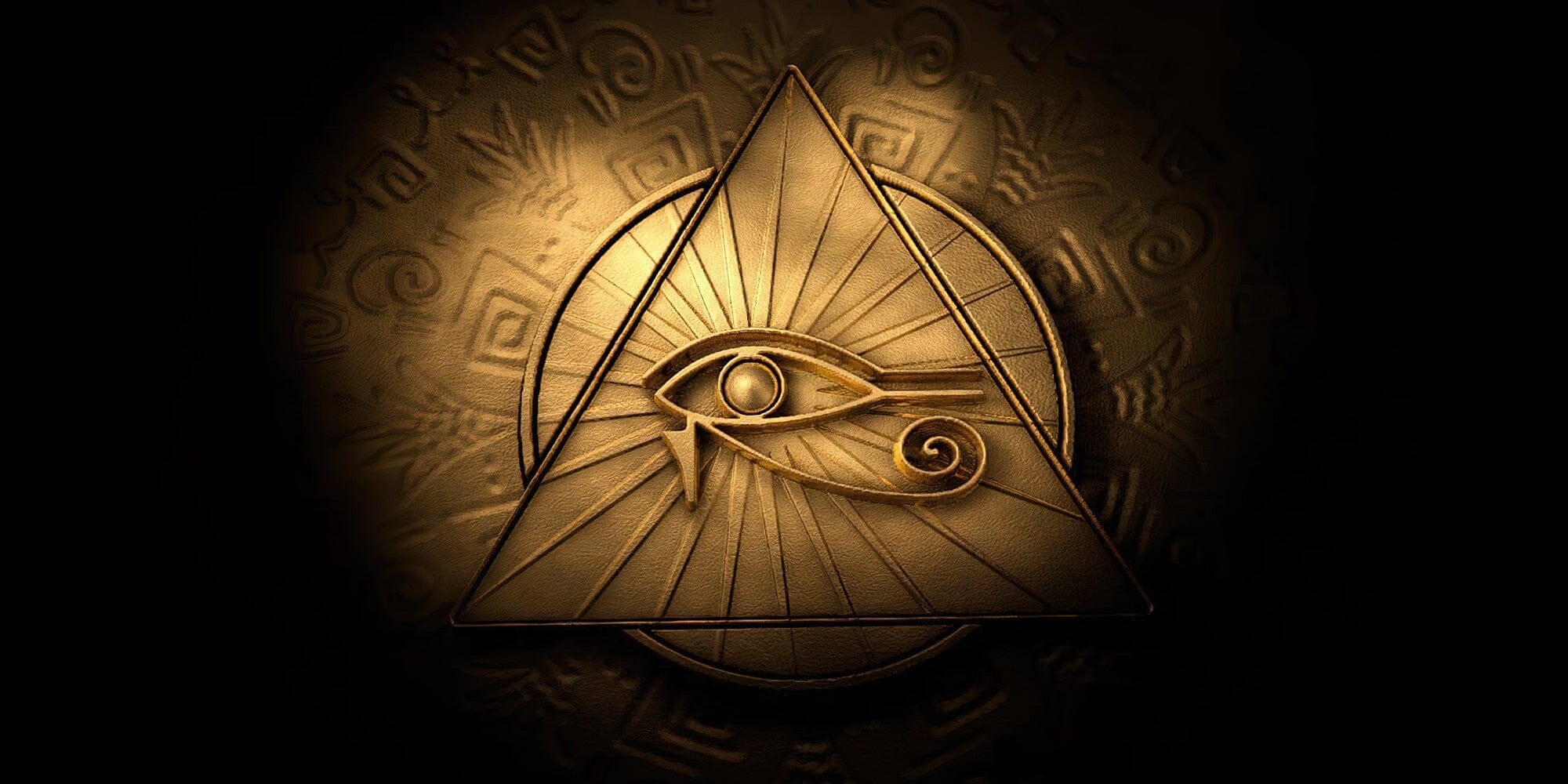
Few symbols are as instantly recognisable as the Eye of Horus. It appears on jewellery, tattoos, album covers, book jackets and museum posters, and it has been doing so in one form or another, for more than three thousand years. Its journey from sacred amulet to everyday motif says a lot about why ancient Egypt still holds such a grip on the imagination.
That pull extends well beyond fashion and design. It’s why Egyptian themes are so common in games, and why a slot like Blueprint Gaming’s can become one of the best-known titles in its genre. If you’d like to see how the symbol is used in that world, you can play Eye of Horus and judge for yourself. First, though, it’s worth knowing where the imagery comes from.
A symbol of healing and protection
The Eye of Horus, known in ancient Egypt as the wedjat eye, is tied to one of the best-known myths of the Egyptian pantheon. According to the story, the god Horus lost or damaged his eye in a conflict with his uncle Seth, and the eye was later restored. The V&A describes the wedjat eye as a symbol of protection and wholeness, noting that the markings beneath the eye are based on those of a falcon, the bird most closely associated with Horus.
The name itself reflects the idea of restoration. Museum records translate wedjat as roughly “the one that is sound again”, which helps explain why the symbol came to stand for healing, regeneration and good health.
An amulet worn in life and death
Ancient Egyptians didn’t just admire the symbol. They wore it. Wedjat amulets were made in faience, carnelian, gold and other materials, and were worn as necklaces or rings, or buried with the dead. They were believed to ward off harm and, in burial contexts, to protect the deceased on their journey.
Some interpretations also link the parts of the eye to the senses, such as sight, hearing and touch, and to a system of fractions used in ancient measurement. That blend of religion, medicine and mathematics is part of what makes the symbol so rich.
From temples to pop culture
Over time, the Eye of Horus left the temple and entered the wider world. It has been adopted by jewellers, graphic designers, film-makers and game developers. The reason is partly visual. The shape is bold, balanced and easy to recognise at any size, and it carries a sense of mystery that suits adventure stories and fantasy settings.
Gaming is a good example. The Eye of Horus slot began life with Reel Time Gaming in the retail environment, and Blueprint’s online adaptation became a homepage staple for operators. It uses a five-reel, three-row layout, with Egyptian symbols, expanding wilds and a free spins round where symbols can be upgraded.
Like any slot, it’s a game of chance. Outcomes are random, and the return-to-player percentage, commonly quoted at around 96.31%, can vary between operators. The game’s information screen will show the figure for the version you’re playing.
Enjoying the theme responsibly
If the mythology is what interests you, there is plenty to explore without spending a penny. The British Museum, the V&A and other collections hold wedjat amulets, and many offer free online access to their records.
If you do choose to play a game with an Egyptian theme, treat it as entertainment. Set a budget before you start, take regular breaks, and use any deposit limits or reality checks available. Make sure the operator is licensed by the UK Gambling Commission.
Whether you meet it in a gallery case, on a piece of jewellery or on a reel, the Eye of Horus has proved remarkably durable. After three millennia, it’s still watching.
