

Footwear is a popular e-commerce category, but marketing it effectively requires attention to details. Just listing products on a website won’t suffice. Customers want to see accurate details, compare styles quickly and feel confident about the fit. To understand how to sell shoes online effectively, focus on three things: a well-structured offer, a smooth buying journey and consistent customer service. Learn more.
Start with a clear and competitive product offer
First, define exactly what you want to sell and who you want to reach. Trainers, formal shoes, children’s footwear and hiking boots all attract very distinct customers and require different approaches. Thoroughly research your direct competitors. Note how they sell shoes online – what platforms they use, how they market their products and how their online shops are structured. Look into customer reviews to identify what shoppers praise and what they feel is missing or could be improved. This provides a relatively easy way to discover your competitive edge and find your own formula regarding how to sell shoes online.
Choose the right way to sell shoes online
The big thing with how to sell shoes online is choosing the right sales channel. There are several main options, the most popular being either a standalone online shop or a marketplace.
A dedicated online shop gives you control over branding and customer experience, but building traffic can take time. An established marketplace can help you reach customers who are already searching for footwear and comparing offers.
When deciding how to sell shoes online, consider the following:
· Customer reach – choose a channel with strong traffic from your target audience. A broad marketplace can be particularly useful when you want to test demand, introduce new collections or reach customers beyond your existing website audience.
· Costs and margins – calculate the complete cost of each sale, including marketplace fees, packaging, shipping, returns and promotions, when setting your margins. Many sellers make the mistake of underpricing their items, which can make it difficult to turn a profit.
· Trust – it can be hard to build trust as a new brand. Well-known marketplaces help overcome these barriers, as they offer built-in credibility.
Above all, make sure that the website is easy to navigate and the path to purchase is clear.
Perfect the listings – make the shopping experience work
Footwear has one major challenge: satisfaction is largely based on fit, but customers cannot try it on before buying. Your job is to recreate as much of the in-store experience as possible.
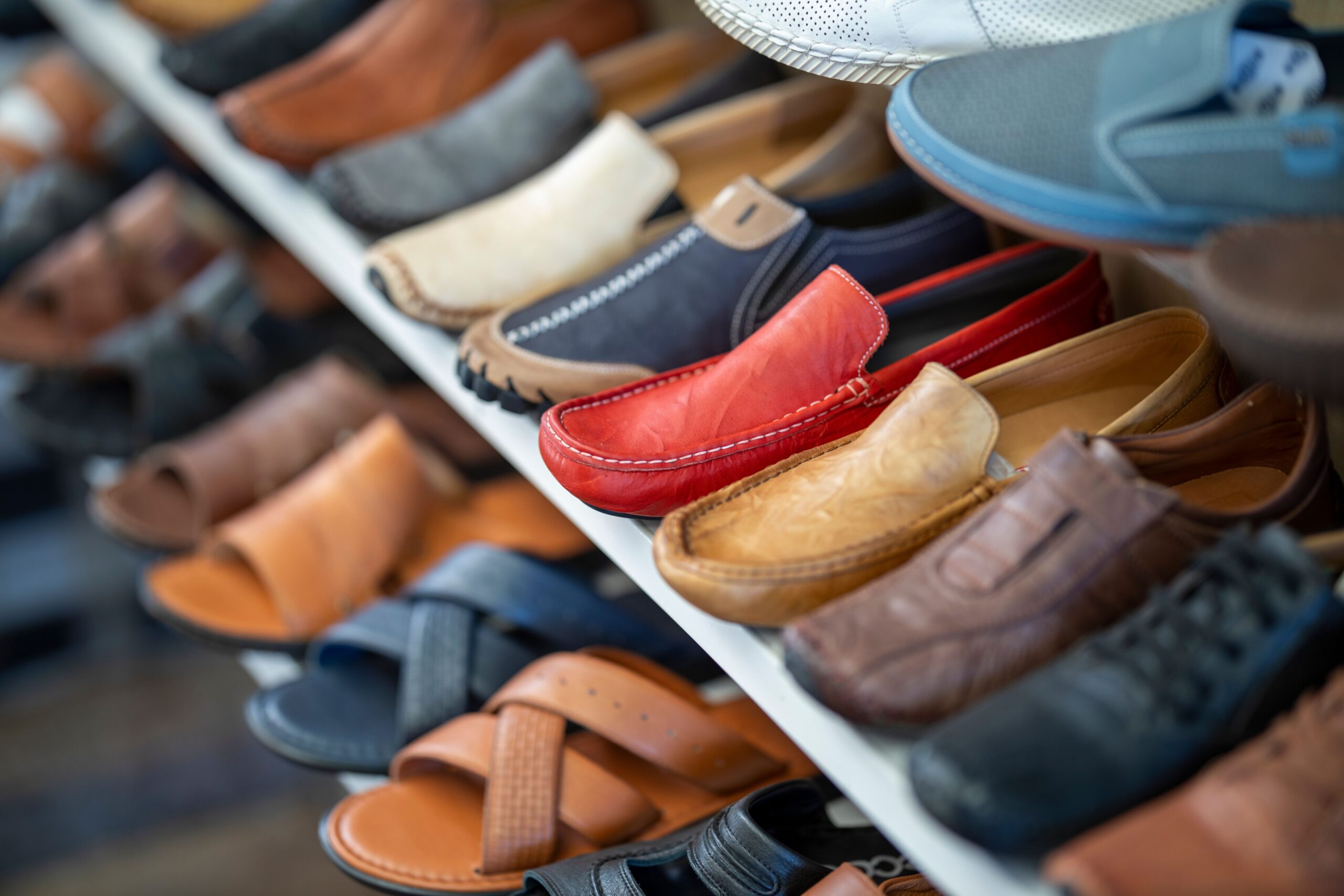
Use high-quality images and show important details such as stitching, texture, sole thickness and fastenings. Short videos can also help customers understand the shape and movement of a product.
Create your product listings based on the questions a customer would normally ask in a shop. Don’t forget to include:
· precise shoe size information and a helpful size guide,
· materials, colour and key product features,
· clear photos from several angles,
· stock availability and delivery details.
Descriptions should be easy to scan rather than filled with generic marketing phrases. Explain who the shoes are for, how they fit and when they work best. Don’t forget to create listings with your ideal customer in mind and gather feedback to improve further.
